Potted Plants Applique Embroidery Review
As a designer who has spent years navigating the delicate balance between digital files and physical thread, I approach every new machine embroidery design with a critical eye. The market is flooded with generic patterns, but finding a piece that truly elevates a handmade product requires more than just a pretty preview image. Today, I am evaluating the Potted Plants Applique Embroidery, a design promising to let you show off your green thumb with an applique design featuring 2 potted plants. Before I commit this to a client order or my own Etsy shop inventory, I need to know how it behaves under real-world conditions.
First Impressions: Mood and Visual Personality
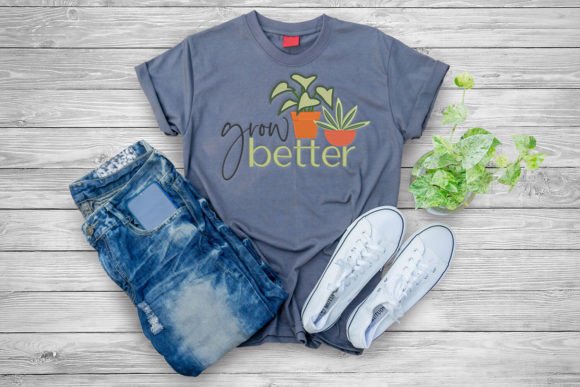
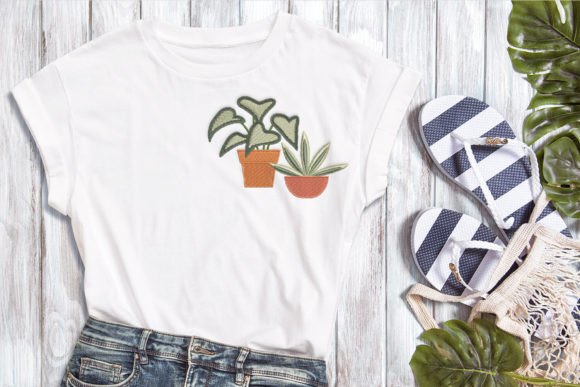
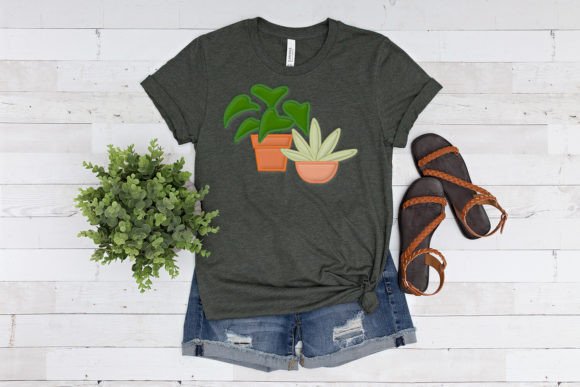
When I first loaded the embroidery file into my digitizing software, the immediate impression was one of cozy charm. Unlike complex botanical illustrations that can get lost in dense stitching, this design relies on clean silhouettes and the texture of fabric overlays. The layout of the two pots suggests a balanced composition that works well for both symmetrical and asymmetrical placements. It feels like a design born from a desire to bring a touch of nature into everyday items without overwhelming them.
The visual personality here is distinctly friendly and organic. It avoids the stiff, overly geometric look that plagues many mass-produced designs. Instead, the curves of the pots and the foliage suggest a relaxed, bohemian aesthetic. This makes it an ideal candidate for custom apparel where the goal is to add character rather than dominate the garment. Whether you are looking at it as a tote bag design or a subtle accent on a home decor item, the mood is inviting and warm.
Real-World Application: From File to Finished Product
To truly test the Potted Plants Applique Embroidery, I imagined a specific scenario: creating a line of organic cotton tote bags for a local boutique. These bags need to be durable, visually appealing, and capable of withstanding frequent washing. In this context, the applique technique shines. By using actual fabric scraps for the plant leaves and pots, the design gains a tactile dimension that simple fill stitch cannot replicate.
I also considered its potential for sweatshirt embroidery. Placing this design on the chest of a heavyweight hoodie would create a statement piece perfect for the autumn season. The contrast between the soft fleece and the crisp edges of the applique would likely draw significant attention. For small business owners or Etsy sellers, this versatility is key. A single digital embroidery file can serve multiple product lines, from nursery decor to kitchen towels, maximizing the return on investment for your design assets.
The design also holds promise for personalized gifts. Imagine adding a monogram near the pots on a baby blanket or a personalized apron for a gardening enthusiast. The simplicity of the two-pot layout leaves enough negative space for customization without cluttering the overall look. This flexibility is what separates a good design from a great one in the world of commercial embroidery.
Navigating Fabric Challenges and Technical Nuances
While the design looks promising, experienced decorators know that not all fabrics play nice with applique. If you plan to use this on thin or stretchy fabric, such as jersey knit for t-shirts, you must exercise caution. The weight of the applique fabric combined with the stabilizer required to hold it in place can cause puckering if the base material is too light. I always recommend testing on scrap fabric first to ensure the tension is correct.
Fabric texture is another factor to consider. On highly textured surfaces like waffle weave or heavy canvas, the fine details of the pot rims might get lost. However, since this design relies on bold shapes rather than intricate detailing, it should fare better than a floral design with tiny petals. That said, checking the stitch density is crucial. Too much density around the applique cut lines can make the fabric difficult to trim, leading to jagged edges on your finished product.
For those considering this for caps or curved surfaces, the flat nature of the two pots might present challenges. Curved surfaces require careful placement to avoid distortion. If you are making an embroidered patch instead, these concerns vanish, as the patch can be ironed onto any surface after stitching. This makes the design a safer bet for beginners or those working with diverse materials.
Practical Designer Notes for Success
Before you hit the start button on your machine, there are several practical steps to ensure professional results:
- Test on Scrap Fabric: Always run a test stitchout. Check for skipped stitches, especially where the satin stitch borders meet the fill areas.
- Check Thread Color Contrast: The outline of the applique needs to stand out against the background fabric. If you are using dark fabric, ensure the thread color provides enough definition.
- Confirm Hoop Size: While the package includes 5 sizes, verify which size fits your hoop comfortably without crowding. A crowded hoop leads to registration errors.
- Use Proper Stabilizer: Applique demands strong stabilization. Use a tear-away or cut-away stabilizer depending on the stretch of your base fabric.
- Inspect Small Details: Zoom in on the file to check the corner cuts. Sharp corners in applique can sometimes fray if the cutting path isn't optimized.
- Review Licensing: As a seller, confirm whether the license allows you to sell finished goods. Most commercial licenses permit selling the embroidered item, but rules vary regarding reselling the digital file itself.
Impact on Brand and Customer Perception
Using high-quality designs like Potted Plants Applique Embroidery directly influences customer trust and brand consistency. In the competitive world of handmade products, the difference between a sloppy stitch and a crisp, professional finish is often the deciding factor for a repeat customer. When a buyer receives a tote bag or pillow cover with a well-executed applique, they perceive higher value.
This design contributes to a cohesive brand identity for shops focusing on home goods or eco-friendly fashion. The theme of indoor plants resonates with a demographic that values sustainability and comfort. By incorporating this motif, you signal to your customers that your products are thoughtfully curated and aesthetically pleasing. It enhances the giftability of your items, making them suitable for housewarmings, birthdays, or holiday presents.
Furthermore, the inclusion of 8 formats—DST, EXP, HUS, JEF, PEC, PES, VP3, XXX—ensures compatibility with almost any major embroidery machine. This technical accessibility means you can scale your production without worrying about file conversion issues. Whether you are a hobbyist stitching for fun or a creative entrepreneur running a full-scale craft business, having a reliable embroidery project asset is invaluable.
Final Verdict
The Potted Plants Applique Embroidery is a solid addition to any designer's library. It strikes a balance between simplicity and visual interest, making it versatile enough for various applications while remaining distinct enough to elevate a basic garment. While it requires attention to stabilizer choice and fabric weight, the potential payoff in terms of product appeal is high. For anyone looking to expand their catalog with nature-inspired themes, this design offers a practical, stylish solution that translates beautifully from screen to stitch.