Daisy Feltie File Machine Embroidery Review
As a designer who has spent years curating assets for my own craft business and advising fellow makers, I approach every new machine embroidery design with a critical eye. It is not enough for a file to look good on a screen; it must translate seamlessly into a tangible, high-quality finished product. Today, I am evaluating the Daisy Feltie File Machine Embroidery, a digital asset promising versatility in the realm of floral embellishments. This specific design falls under the category of Single Flowers, a staple for anyone creating custom apparel or boutique home goods. The immediate question is whether this daisy motif holds up under the scrutiny of professional use.
First Impressions: A Springtime Staple
When I first loaded the Daisy Feltie File Machine Embroidery onto my digitizing software, the mood was immediately clear. It radiates a cheerful, spring-like energy, reminiscent of cherry blossoms and fresh blooms. The layout is balanced, avoiding the clutter that often plagues overly complex floral designs. For a maker looking to add a touch of whimsy without overwhelming the fabric, this design offers a clean aesthetic. The visual personality is friendly and accessible, making it an excellent candidate for personalized gifts or seasonal collections. However, the true test lies in how the stitch construction handles the transition from digital file to physical thread.
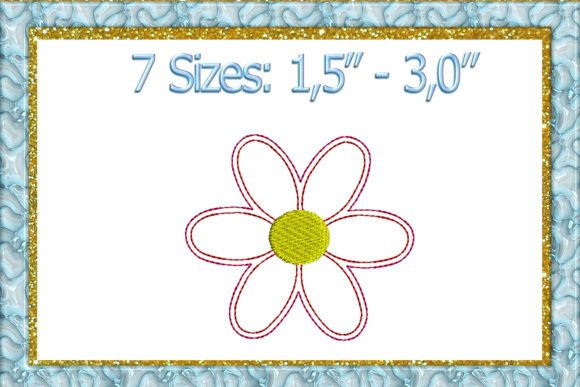
The description notes that this design comes with seven sizes, ranging up to 3.00" x 2.70". This scalability is a significant advantage for a craft business. Whether you are working on a tiny buttonhole or a larger chest pocket, having multiple size options allows for greater flexibility in your design assets. As an Etsy seller, I know that offering variety in sizing can increase the perceived value of a listing, allowing customers to choose the perfect scale for their specific project.
Real-World Application: From Hoop to Handmade Product
To truly understand the utility of the Daisy Feltie File Machine Embroidery, let us walk through a realistic scenario. Imagine you are preparing a collection of organic cotton tote bags for an upcoming craft fair. You want something that screams "spring" but remains understated enough to appeal to a broad audience. You select the largest size available, approximately 3 inches wide, and place it on the lower corner of a natural beige tote bag.
In this context, the design shines. The petals, likely rendered in a combination of fill stitch and perhaps some delicate satin stitch outlining, create a soft texture that complements the canvas material. Because the design is a single flower, it does not compete with other graphics or text, making it perfect for branding a small shop product without looking like a generic logo. If you were to use this on a sweatshirt embroidery project, placing it on the sleeve cuff would offer a subtle pop of color that elevates a basic garment into a statement piece.
Consider also the application for baby embroidery. Parents love soft, nature-inspired motifs for nursery decor or onesies. The gentle curves of the daisy feel appropriate for infant wear, provided the stitch density is not too heavy, which could make the fabric stiff. In my experience, lighter fabrics require a careful balance of thread tension and stabilizer choice to prevent puckering. The Daisy Feltie File Machine Embroidery appears to be constructed with these nuances in mind, though a test run is always advisable.
Navigating Fabric Challenges and Design Limitations
While the design is versatile, there are scenarios where caution is required. Not all fabrics are created equal, and the success of any embroidery project depends heavily on the substrate. If you attempt to use this design on very thin or stretchy fabric, such as jersey knit or silk, you must use the correct stabilizer. Without adequate support, the hoop pressure can distort the shape of the flower, leading to uneven petals and a messy finished product.
Dark fabrics present another challenge. While the design looks lovely in white or pastel threads, using it on black denim requires careful consideration of thread colors. A light fill stitch might show the dark background through if the density is too low, resulting in a muddy appearance. Conversely, if the density is too high, it can cause the fabric to pucker. I recommend testing the design on a scrap piece of the actual fabric you intend to use, checking the contrast and clarity before committing to a client order.
Furthermore, curved surfaces like caps can be tricky. The circular nature of a daisy works well on a flat surface, but on the rounded bill of a hat, the edges of the petals may shift slightly during stitching. Always check the placement carefully. If you are creating an embroidered patch, ensure the backing is sturdy enough to hold the intricate details of the flower, especially if the patch will undergo frequent washing.
Professional Standards and Business Viability
For the small business owner or creative entrepreneur, the quality of your design directly impacts customer trust. A poorly executed machine embroidery design can ruin an otherwise beautiful handmade item. The Daisy Feltie File Machine Embroidery offers a level of professionalism that enhances brand consistency. When customers see a crisp, well-defined flower on a kitchen towel or a pillow cover, they perceive higher value in the product.
This design also serves as a great tool for creating printable mockups. Before investing in expensive materials, you can visualize how the daisy looks on various products using digital previews. This step is crucial for digital product sellers who need to showcase their work effectively online. Clear, attractive mockups drive buyer engagement and help potential customers imagine the final result in their own homes or wardrobes.
Essential Designer Notes for Success
If you decide to incorporate the Daisy Feltie File Machine Embroidery into your workflow, keep these practical tips in mind:
- Test on Scrap Fabric: Never skip the test stitch. Run the design on a piece of scrap fabric similar to your final project to check for alignment issues and thread breaks.
- Check Thread Contrast: Ensure your chosen thread colors stand out against the fabric. Low contrast can make the design look unfinished.
- Review Stitch Density: Inspect the areas where petals meet the center. Overlapping stitches can sometimes cause bunching, so adjust tension if necessary.
- Confirm Hoop Size: Although the design offers multiple sizes, verify that your machine's hoop can accommodate the selected dimensions without crowding.
- Inspect Small Details: Look closely at the center of the flower and the petal tips. These areas often reveal the quality of the digitizing.
- Use Proper Stabilizer: Select a stabilizer appropriate for your fabric type to maintain the integrity of the Single Flowers shape.
- Verify Licensing: Before selling finished items or reselling the digital embroidery file, confirm the licensing terms. Most commercial licenses allow you to sell the finished product, but restrictions may apply to the digital file itself.
Final Verdict on the Daisy Motif
The Daisy Feltie File Machine Embroidery is a reliable addition to any designer's library. Its simple yet effective construction makes it suitable for a wide range of applications, from holiday embroidery projects to everyday custom apparel. While it requires the same attention to detail as any other professional asset, its adaptability across different sizes and fabrics makes it a valuable tool for both hobbyists and seasoned pros.
Whether you are decorating a holiday gift, creating merchandise for your small shop product line, or simply adding a personal touch to a finished product, this design delivers a consistent, charming result. By following best practices for stabilization and testing, you can ensure that every daisy you stitch brings joy and professionalism to your work. For those seeking a versatile floral element that balances aesthetics with functionality, this embroidery file is certainly worth considering for your next creative endeavor.