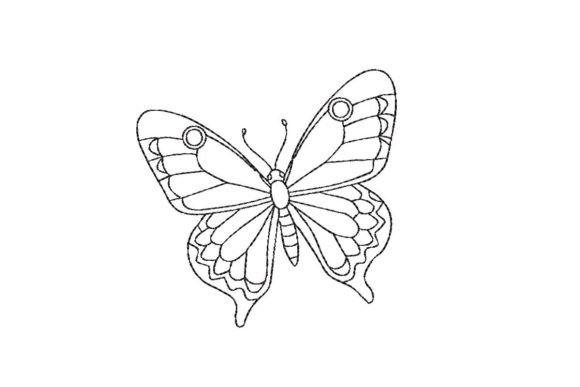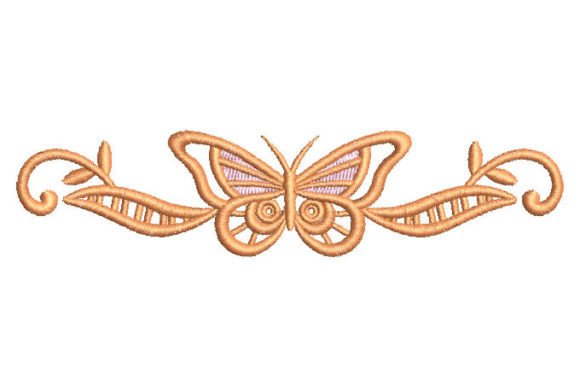
Pretty Butterfly with Decoration Embroidery Review
As I set up my booth for the upcoming weekend craft fair, the table is a chaotic mix of half-finished tote bags, neatly folded aprons, and stacks of tea towels waiting to be transformed. In this high-pressure environment, every machine embroidery design I choose must work hard. It needs to catch the eye from three feet away, translate well into a finished product, and justify its price tag on a handmade item. Today, I am reviewing the Pretty Butterfly with Decoration Embroidery, a design categorized under Bugs but clearly positioned as a decorative accent. Is this the kind of digital asset that will drive sales at my market stall, or is it just another pretty file gathering dust on my hard drive?
First Impressions: Aesthetic and Market Fit
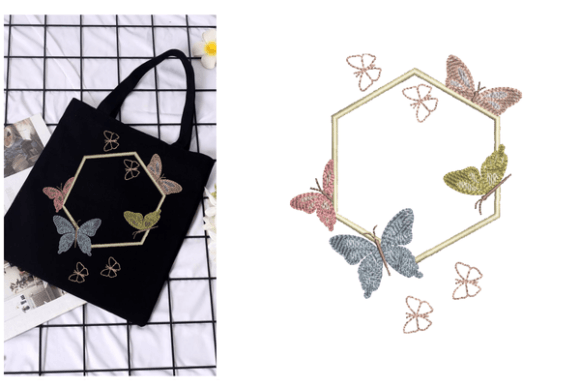
When I first load the Pretty Butterfly with Decoration Embroidery into my digitizing software, the immediate impression is one of soft elegance mixed with whimsical charm. Unlike bold, graphic insect designs that might feel too aggressive for a general audience, this piece leans heavily into the "decoration" aspect of its title. It feels versatile enough to fit a farmhouse aesthetic while remaining delicate enough for a boutique bridal shower gift. For an Etsy seller or a small shop owner, this type of design is a goldmine because it bridges the gap between cute and sophisticated.
The visual weight of the butterfly suggests it can serve as a focal point without overwhelming the fabric. In a crowded craft fair booth where customers are scanning tables in seconds, a design that communicates "handmade quality" instantly is crucial. The Pretty Butterfly with Decoration Embroidery achieves this by offering intricate details that promise craftsmanship. However, the real test comes when we move from the screen to the sewing machine and start considering how it performs on actual craft fair products.
Product Performance: Where Does It Shine?
To determine if this embroidery file is worth the investment, I evaluated it across several key product categories that typically sell well at markets. On tote bag design projects, the butterfly acts as a stunning centerpiece. When placed on a natural canvas tote, the contrast makes the colors pop, creating a statement piece that shoppers immediately want to pick up. The "decoration" elements surrounding the butterfly add texture, making the bag feel more premium than a simple logo print.
For kitchen textiles, specifically tea towel embroidery and apron embroidery, the design holds up remarkably well. The soft curves of the wings complement the organic feel of linen or cotton blends. I imagine these items displayed on a rustic wooden rack at a market; the movement of the fabric would make the embroidered butterfly seem almost alive. This dynamic quality is essential for increasing buyer engagement. Similarly, when applied to pillow covers or small fabric pouches, the design adds a touch of personality that elevates a generic home good into a unique handmade product.
However, not all applications are equal. While the design works beautifully on flat surfaces, using it on curved areas like caps requires caution. The decorative flourishes might get distorted on a rounded brim unless the hoop size and stabilizer are perfectly managed. As an experienced designer, I would prioritize this commercial embroidery asset for flat goods like patches, market bags, and home decor rather than complex 3D items.
Production Realities: Density, Scale, and Fabric
Before committing to batch production, I always run a test stitch on scrap fabric. With the Pretty Butterfly with Decoration Embroidery, the primary concern is stitch density. Designs labeled as "decoration" often include fine lines and tiny details that can become muddy if the thread count is too high or the fabric is too textured. If you plan to use this on thick denim or heavy canvas, you must ensure the stabilizer is robust enough to prevent puckering.
Another critical factor is scale. Does the design lose clarity when reduced? For an embroidered patch, you might need to downsize the image significantly. In such cases, the delicate decorative elements could blur together, ruining the professional look of the finished product. I recommend keeping the design at a medium-to-large scale for maximum impact. Additionally, consider your thread colors. On dark fabrics, white or light-colored threads will make the butterfly stand out, but you may need to increase the density of the underlay to prevent the dark fabric from showing through the gaps in the wings.
Strategic Selling and Brand Consistency
From a business perspective, the Pretty Butterfly with Decoration Embroidery offers excellent opportunities for brand consistency. Because the design is visually distinct yet adaptable, it can become a signature motif for your small shop product line. Imagine a collection of items all featuring this butterfly in different colorways—pastels for spring, jewel tones for winter. This repetition helps build brand recognition among repeat customers at local markets.
Photography is also a major selling point. This design photographs exceptionally well for online listings. The intricate details create shadows and highlights that make printable mockups look realistic and enticing. When potential buyers see a high-quality photo of a tote bag with this embroidery, they can visualize the texture and depth, which increases the likelihood of a sale. For digital sellers, offering this as a digital embroidery file allows others to create their own variations, expanding your reach beyond physical goods.
Designer Notes for Success
If you decide to incorporate the Pretty Butterfly with Decoration Embroidery into your inventory, follow these practical steps to ensure success:
- Test on Scrap Fabric: Always run a test stitch to check for puckering, especially on textured towels or stretchy knits.
- Check Thread Contrast: Ensure the thread colors provide enough contrast against your chosen fabric so the design remains visible from a distance.
- Review Spacing: Leave adequate space around the design to avoid crowding, particularly on smaller items like pouches.
- Confirm Hoop Size: Verify that your machine's hoop can accommodate the full width of the butterfly and its decorative elements without distortion.
- Inspect Stitch Density: Adjust settings if necessary to prevent thread breakage or excessive bulk in dense areas.
- Use the Right Stabilizer: Invest in a high-quality tear-away or cut-away stabilizer to maintain the shape of the embroidery.
- Create Real Mockups: Produce at least one physical sample to take photos for your booth display or Etsy listing.
- Compare Fabric Colors: Test the design on multiple fabric shades to find the most appealing combinations for your target audience.
- Confirm Commercial Licensing: Before selling any finished product or reselling the file, double-check the license terms to ensure you have the right to use it commercially.
In conclusion, the Pretty Butterfly with Decoration Embroidery is a strong contender for any creative entrepreneur looking to elevate their product line. Its blend of beauty and versatility makes it suitable for a wide range of Embroidery applications, from home decor to wearable accessories. By paying attention to production details and strategic placement, this design can become a standout feature in your next craft fair booth, driving both foot traffic and sales.