Penguin Embroidery Design: A Designer's Review
As an embroidery designer who has spent years curating collections for personalized gift shops, I approach every new machine embroidery design with a mix of excitement and rigorous scrutiny. Today, I am testing the Penguin Embroidery Design, a charming addition to the Birds category that promises to bring whimsy to a variety of handmade products. Before this digital embroidery file makes its way into my inventory or onto customer orders, I need to understand how it translates from a screen to a finished product. Does it hold up under the needle? Is it versatile enough for the diverse needs of Etsy sellers and small shop owners?
First Impressions: Charm and Emotional Appeal
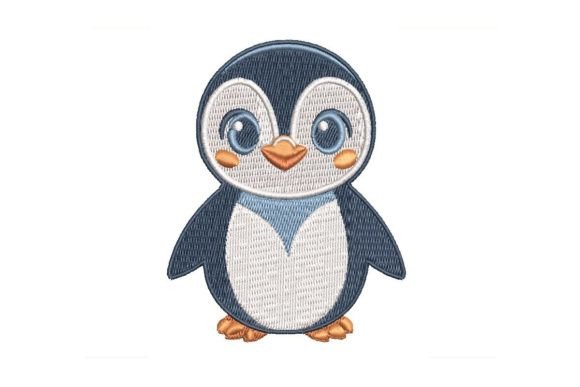
The moment I loaded the Penguin Embroidery Design into my digitizing software, the mood was immediately clear. This is not a realistic, scientific illustration of a bird; rather, it is a stylized, endearing representation perfect for baby embroidery and playful home decor. The design exudes a sweet, modern charm that feels timeless yet fresh. It captures the essence of a cute penguin without relying on overly complex details that might frustrate a standard home machine.
For those creating custom embroidery, emotional connection is everything. This design succeeds because it triggers an immediate "aww" response. Whether used as a wedding gift keepsake or a nursery accent, the penguin's posture and expression convey warmth and friendliness. In the competitive world of handmade products, a design that instantly communicates joy can significantly boost buyer engagement. The aesthetic is clean, making it suitable for both seasonal winter collections and year-round baby showers.
Practical Applications for Gift Creators
One of the strongest selling points of the Penguin Embroidery Design is its tailored fit for a 4×4 hoop size. This specific dimension is the industry standard for many portable and domestic machines, making it highly accessible for crafters and small business owners alike. During my test run, I visualized several real-world scenarios where this design would shine.
Imagine a customer requesting a meaningful embroidered towel for a new parent. Placing this penguin in the corner of a soft, white kitchen towel creates an adorable embroidered towel that serves as both a functional item and a decorative piece. Similarly, for a baby blanket, the design works beautifully as a central motif or a repeating pattern along the hem. The scale is perfect for blanket embroidery, ensuring the penguin remains visible without overwhelming the fabric texture.
Beyond baby items, the versatility extends to adult gifts. I tested a mockup for a custom apron, and the result was delightful. A penguin on a chef's apron adds a touch of personality that elevates a simple kitchen tool into a cherished wedding gift. For the eco-conscious shopper, applying this design to a canvas tote bag creates a unique accessory that stands out at craft fairs. Even a simple pillow cover can be transformed into a statement piece for a child's room or a cozy reading nook.
For the Etsy seller looking to expand their catalog, this design offers excellent potential for personalized gift listings. By adding a name or a short date near the penguin, you can create one-of-a-kind items that command a higher price point. The design is robust enough to handle slight variations in placement, making it forgiving for those who are still refining their layout skills.
Navigating Fabric Challenges and Technical Considerations
While the Penguin Embroidery Design is undeniably cute, experienced designers know that success lies in understanding limitations. Not every fabric will yield the same results. When working with thick towels or textured fabrics, the density of the stitches becomes critical. If the stitch density is too high, the fabric may pucker, distorting the cute shape of the penguin. Conversely, if it is too low, the design may look sparse on dark fabrics.
I strongly advise against using this design on highly stretchy baby clothes without proper stabilization. The tension required to pull the thread through a knit fabric can cause the design to warp over time, especially after frequent washing. For these applications, a tear-away or cut-away stabilizer is non-negotiable. Additionally, when embroidering on curved surfaces like hats or bags with rounded bottoms, the 4×4 hoop size requires careful positioning to avoid stitching off-center.
Color contrast is another vital factor. While the design looks crisp in black and white, experimenting with different thread colors can alter the mood entirely. Soft pastels work wonders for baby items, while bold navy or charcoal threads might suit a more sophisticated wedding gift. Always compare light and dark fabric mockups before committing to a production run. If you plan to sell these as commercial products, ensure your digital embroidery file includes color separation options that allow for easy customization.
Enhancing Perceived Value and Customer Trust
In the realm of handmade goods, the quality of the embroidery directly influences perceived value. A well-executed Penguin Embroidery Design signals attention to detail and craftsmanship. When a customer receives a finished product with clean lines and vibrant thread colors, their trust in your brand grows. This is particularly important for small shop products where reputation drives repeat business.
High-quality product photography is essential here. Because the design is relatively small (fitting a 4×4 hoop), close-up shots that highlight the stitch definition and fabric interaction are crucial. Showcasing the penguin on different materials—from plush blankets to crisp cotton hankies—demonstrates the design's versatility. These images help buyers visualize the item in their own homes, increasing the likelihood of a sale.
Furthermore, offering this design as part of a broader collection of Birds or animal-themed items can encourage upselling. Customers who love the penguin might also be interested in other nature-inspired motifs for their nursery or kitchen. By presenting a cohesive line of custom embroidery, you position yourself as a specialist rather than a generalist.
Essential Steps Before Production
Before you integrate the Penguin Embroidery Design into your business workflow, there are a few practical steps to ensure a flawless outcome. First, always test the design on scrap fabric that matches your final project material. This allows you to check for puckering, thread breaks, or registration issues. Second, review the stitch count and density settings on your machine to ensure they align with the fabric weight.
Confirm that you have the correct licensing for commercial use. If you intend to sell finished products featuring this design, verify that the license covers commercial embroidery. Many digital files are sold for personal use only, and violating these terms can lead to legal complications. Finally, keep a library of printable mockups handy to show customers exactly how the design will look on their chosen item.
The Penguin Embroidery Design is a delightful asset for any creator focused on heartfelt, high-quality gifts. With its perfect 4×4 hoop sizing and charming aesthetic, it bridges the gap between professional polish and homemade warmth. Whether you are crafting a single baby blanket or stocking a full line of custom aprons, this design has the potential to become a bestseller in your shop. Just remember to respect the fabric, stabilize properly, and let the penguin's charm do the talking.