Floral Holding Embroidery: A Designer Review
As a designer who has spent years navigating the delicate balance between digital files and physical thread, I approach every new machine embroidery design with a critical eye. The market is flooded with generic patterns, so finding a piece that truly translates well from screen to fabric is a genuine relief. Today, I am putting Floral Holding Embroidery through its paces. This isn't just about looking at a preview; it is about understanding how this specific embroidery file will behave under the needle, how it interacts with different textiles, and whether it holds up as a viable asset for your craft business.
First Impressions: Mood and Composition
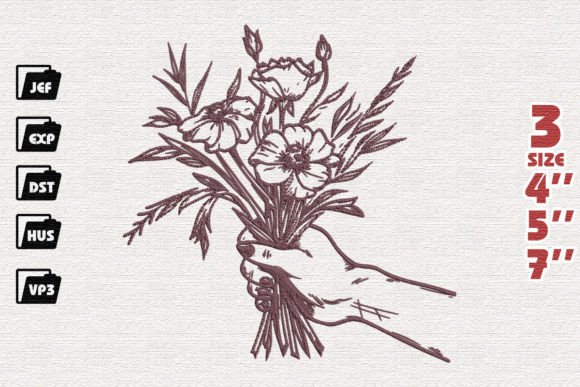
When I first loaded Floral Holding Embroidery into my digitizing software, the immediate impression was one of organic elegance. Unlike many designs in the Boys category that lean heavily on rigid geometric shapes or cartoonish motifs, this piece offers a softer, more fluid aesthetic. The layout suggests a gentle embrace of nature, making it versatile enough to bridge the gap between playful youthfulness and timeless sophistication.
The visual personality here is defined by its flow. The way the floral elements curve and interlock creates a sense of movement that static designs often lack. For an Etsy seller or a boutique owner, this kind of visual dynamism is crucial. It suggests a handmade quality even before the machine starts stitching. The design feels like it belongs on items where texture and softness are paramount, rather than on stiff, industrial-grade materials. It screams "personalized gift" rather than "mass-produced merchandise."
Real-World Application: From File to Fabric
To truly test the value of Floral Holding Embroidery, I imagined a specific project: a custom embroidered tote bag for a local craft fair. Tote bags are a staple for small shop products, but they present unique challenges due to their canvas texture and frequent handling. In this scenario, the design's potential becomes clear.
If you were to place this tote bag design on a natural cotton canvas, the organic lines would complement the weave of the fabric beautifully. The stitch density appears balanced, which is vital for preventing puckering on thicker materials. When I visualize the finished product, the burst of color described in the concept notes would pop against a neutral background, drawing the eye immediately. This makes it an excellent candidate for custom apparel or even a high-end sweatshirt embroidery project where the design sits on the chest pocket area.
However, the versatility extends beyond bags. Imagine this as a focal point on a nursery blanket or a personalized pillow cover. The soft curves of the flowers make it incredibly suitable for baby embroidery. Parents often look for designs that feel gentle and nurturing, and this pattern delivers exactly that. It transforms a simple textile item into a cherished keepsake. For a handmade product line, using Floral Holding Embroidery elevates the perceived value instantly. Customers can see the effort and artistry involved, which builds trust and encourages higher price points.
Navigating Challenges: Where Caution is Needed
While the design is robust, no digital embroidery file is immune to the physics of thread and fabric. There are specific scenarios where Floral Holding Embroidery requires careful handling to ensure a professional finish.
- Fabric Texture: On highly textured fabrics like thick terry cloth or heavy denim, the finer details of the floral stems might get lost. You may need to adjust the thread colors to create higher contrast or consider simplifying the backing stabilizer.
- Stretchy Materials: If you plan to use this on performance wear or stretchy knits, the intricate fill stitches could cause distortion if the wrong stabilizer is used. A cut-away stabilizer is likely necessary here to maintain the integrity of the design during washing.
- Small Hoop Sizes: While the design looks great, do not force it into a hoop smaller than intended. Compressing the floral elements can ruin the spacing between the petals, leading to thread bunching. Always confirm the recommended hoop size before starting.
- Curved Surfaces: Applying this to a cap or a curved sleeve requires precise placement. The flowing nature of the design means it does not adapt well to tight curves without significant distortion. It is best suited for flat or gently curved surfaces.
Additionally, be mindful of dark fabrics. The description mentions a "burst of color," but on black or navy backgrounds, lighter pastel threads might appear muddy unless you use a dense underlay. Testing the design in black and white mockups first can help you anticipate these contrast issues before committing expensive thread.
Technical Considerations for Professional Results
For those integrating Floral Holding Embroidery into their workflow, there are a few technical checkpoints to ensure success. First, always run a test on scrap fabric that matches your final material. This allows you to check the fill stitch coverage and ensure there are no gaps in the floral centers. Look closely at the transitions between satin stitch and fill areas; smooth transitions indicate a well-digitized file.
Review the running stitch outlines carefully. These define the shape, and if they are too sparse, the design can look unfinished. Conversely, if they are too dense, they can add unnecessary bulk. Since the product description does not specify exact stitch counts, you must verify this yourself based on your machine's capabilities. High-speed machines might require slight adjustments to tension to prevent thread breakage in the tighter corners of the flower petals.
Licensing is another critical factor for commercial users. Before listing any finished product or selling the embroidery file itself, confirm the license terms. Many designers allow the sale of physical goods but prohibit the resale of the digital asset. Protecting your commercial embroidery business means respecting these boundaries to avoid legal complications down the road.
Final Verdict: A Versatile Asset for Makers
In conclusion, Floral Holding Embroidery stands out as a thoughtful addition to any designer's library. It bridges the gap between whimsical and sophisticated, making it an ideal choice for holiday embroidery, personalized gifts, and boutique branding. Its ability to enhance the visual appeal of a handmade product is undeniable, offering a level of detail that customers appreciate.
Whether you are a hobbyist creating a special gift or a small shop product creator scaling your inventory, this design offers a solid foundation. Just remember to respect the technical requirements regarding stabilizers, fabric types, and hoop sizes. With proper execution, Floral Holding Embroidery can transform ordinary textiles into extraordinary pieces that tell a story of nature and craftsmanship. It is a design that invites creativity and rewards attention to detail, proving once again that the right design assets can elevate the entire embroidery project.